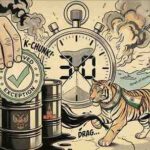
Islamabad, July 2026 — Pakistan has formally pivoted its trade and transit strategy away from Afghanistan, ending a decades-long reliance on its northern neighbor. Driven by deteriorating ties and relentless border clashes with the Taliban-led administration, Islamabad has activated alternative international trade corridors through Iran and China, effectively cutting Kabul out of the regional supply chain.
The Mirage of the Taliban Alliance
When the Taliban regained control of Afghanistan a few years ago, Islamabad celebrated, believing the new regime would cooperate and check regional adversaries. Instead, relations rapidly soured.
The primary catalyst for the split is security. Pakistan faces escalating terror attacks from the Tehrik-i-Taliban Pakistan (TTP), which Islamabad asserts operates out of safe havens protected by Kabul. Constant border skirmishes forced the permanent closure of the vital Torkham and Chaman border crossings in late 2025, turning a once-lucrative transit route into an economic and security liability.
Bypassing Kabul via Iran
Rather than waiting for security stability that may never arrive, Pakistan has established a direct maritime-to-land trade route via Iran.
Under this new framework, resource-rich, landlocked Central Asian nations—including Kazakhstan, Uzbekistan, and Turkmenistan—route their global exports through Iranian territory. The cargo enters Pakistan via the Gabdr-Rimdan border crossing in Balochistan, heading straight to the deep-sea Gwadar Port. This shift hands Tehran a massive economic windfall, allowing Iran to collect lucrative custom duties, road taxes, and logistics revenues that previously sustained the Afghan economy.
The Northern Pipeline: The Sost Dry Port
The second bypass corridor goes directly north, leveraging Pakistan’s alliance with Beijing. Utilizing the Sost Dry Port in Gilgit-Baltistan, Pakistan has operationalized the Quadrilateral Traffic and Transit Agreement (QTTA) alongside China, Kyrgyzstan, and Kazakhstan.
Goods bypass Afghan territory entirely by moving through the Karakoram Highway into Western China before entering Central Asia. Initial reciprocal test cargo shipments have already successfully cleared this route, proving that regional trade no longer requires Kabul’s permission.
Winners, Losers, and India’s Watchful Eye
The economic fallout for Afghanistan is severe. Already isolated globally, the country loses vital transit fees and its primary leverage as the “heart of Asia.” Conversely, China solidifies its Belt and Road Initiative (BRI) by anchoring the China-Pakistan Economic Corridor (CPEC) directly to Central Asian markets.
Geopolitical rival India is watching the development closely. While a stronger Pakistani transit hub backed by Beijing presents a strategic challenge, New Delhi has already hedged its bets. By financing Iran’s Chabahar Port and promoting the International North-South Transport Corridor (INSTC), India continues to secure its own independent trade routes into Central Asia.
Bottom Line
The era of relying on Afghanistan as the mandatory bridge to Central Asia is over. By turning to Iran and China, Pakistan has shown that economic survival trumps geographical proximity—leaving Kabul isolated, broke, and bypassed.