New Delhi, September 2026 — The Centre’s proposal to introduce a new “Article 371K” for Ladakh has sparked fresh turbulence, with locals dismissing it as a half-measure that fails to deliver true democratic power.
What the government presents as a historic constitutional step to empower the Union Territory, local leaders and critics describe as an illusion designed to pacify a region desperate for real autonomy.
The Illusion of Power: A Toothless Article 371K? For the first time, a Union Territory is being considered for inclusion under Article 371, a provision historically reserved for special-status states like Nagaland and Mizoram. The proposed “Chapter K” promises an elected body with legislative control over land, culture, language, and the region’s fragile ecosystem.
However, the structure is fundamentally flawed in the eyes of Ladakhis. The truth: without full statehood, this newly elected body risks becoming a glorified rubber stamp while absolute authority remains parked in New Delhi.
The Puppet Masters: Central Overreach Behind the promise of local governance lies a massive trust gap. Under the current UT framework—particularly Article 240—ultimate decision-making power for the region rests with the President and, by extension, the Central Government and the Lieutenant Governor.
Locals fear that any decisions made by the new elected body regarding lucrative infrastructure, tourism, or sensitive land allocations could easily be vetoed by the LG. What is being billed as local autonomy looks to many like remote-controlled governance.
What Ladakh Actually Wants: The Sixth Schedule The demands of the Leh Apex Body and the Kargil Democratic Alliance—two historically divided groups now completely united by this crisis—are crystal clear. They don’t want a watered-down Article 371K. They want full Statehood and inclusion in the Sixth Schedule.
The Sixth Schedule allows for the creation of Autonomous District Councils with ironclad, constitutionally defined powers over land, forests, and customary laws that cannot be easily cancelled. Furthermore, full statehood grants control over police and public order—powers the Centre is highly unlikely to ever concede under Article 371K.
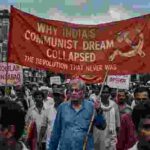
The Return of Agitation The regional dissatisfaction has already reached a boiling point. Prominent climate activist Sonam Wangchuk has repeatedly highlighted the extreme fragility of the Himalayan ecosystem and the dangers of unchecked, Centre-backed development. Refusing to accept the government’s compromise, Wangchuk and other leaders have threatened to resume massive public demonstrations starting September 19.
Bottom Line The proposal of Article 371K is a political band-aid on a deep constitutional wound. The push for autonomy in Ladakh is not just about having a local council—it is about securing the region’s survival. With the government’s proposal out in the open, the reality is clear: Ladakhis recognise that anything short of full statehood and Sixth Schedule protections leaves their land, culture, and future entirely at the mercy of New Delhi.