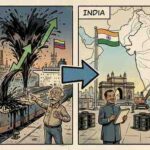
The Double-Edged Sword of Progress
As Uttar Pradesh undertakes massive infrastructure development, are the benefits worth the growing financial strain on taxpayers?
The Vision of Transformation
Uttar Pradesh, India’s most populous state, has embarked on an ambitious journey of infrastructure development aimed at transforming its economy, connectivity, and quality of life. From expressways and airports to metro projects and industrial corridors, the state is leveraging its geographical advantage and political focus to position itself as a hub of progress.
The Purvanchal Expressway, the Bundelkhand Expressway, the Ganga Expressway, and the Jewar International Airport are among the flagship projects that promise to enhance connectivity, attract investments, and create jobs. While the vision is commendable, the execution has sparked debates about financial sustainability and equitable benefits.
Key Metrics and Investments
- Expressways: Over ₹1.5 lakh crore invested in constructing expressways, including the Ganga Expressway (₹36,230 crore), Purvanchal Expressway (₹22,500 crore), and Bundelkhand Expressway (₹14,850 crore).
- Airports: Jewar International Airport, costing approximately ₹29,560 crore, is expected to be India’s largest upon completion.
- Metro Expansions: Lucknow, Kanpur, and Agra metro projects are underway, with an estimated cost of ₹25,000 crore collectively.
- Industrial Zones: The Defense Corridor and Freight Corridors aim to attract investments worth ₹3 lakh crore and generate thousands of jobs.
- Employment Impact: Over 1 million direct and indirect jobs are anticipated through these projects.
The Boon: A Catalyst for Growth
Economic Upliftment
Infrastructure projects are often described as the backbone of economic development. Uttar Pradesh’s expressways are designed to reduce travel time, lower logistics costs, and improve market accessibility. The Jewar Airport, for instance, is projected to attract significant foreign investment, positioning the state as a global trade and logistics hub.
Job Creation
These projects generate substantial employment opportunities during construction and post-completion. From skilled labor to ancillary industries, the multiplier effect on the economy is significant.
Improved Connectivity
High-speed expressways and metro systems are expected to integrate remote regions with major cities, fostering balanced regional development. The Bundelkhand Expressway, for example, connects the economically backward Bundelkhand region with industrial hubs, potentially spurring growth in underdeveloped areas.
Urban Modernization
Projects like the metro expansions in Lucknow, Kanpur, and Agra aim to decongest cities, reduce pollution, and improve urban mobility. This modernization is crucial for attracting talent, businesses, and investors.
The Burden: A Price Too High?
Taxpayer Strain
The financial burden of these mega-projects falls largely on taxpayers. With a significant portion of the state budget allocated to infrastructure, critics argue that funds might be diverted from essential sectors like education, healthcare, and rural development.
Debt Dependency
To finance these projects, Uttar Pradesh has relied heavily on loans and public-private partnerships (PPPs). While PPPs reduce immediate fiscal pressure, they often transfer financial risks to taxpayers through tolls, user fees, and increased state debt.
Environmental Costs
Rapid construction often comes at the expense of environmental sustainability. Projects like the Ganga Expressway have faced criticism for deforestation, land acquisition issues, and potential ecological damage. Addressing these concerns while maintaining project timelines remains a challenge.
Displacement and Equity Issues
Land acquisition for expressways and industrial zones has led to displacement and livelihood disruption for thousands of farmers and rural communities. The perceived benefits of these projects often disproportionately favor urban and affluent populations, widening the socio-economic gap.
Balancing the Scales
For Uttar Pradesh’s infrastructure drive to truly succeed, certain measures must be prioritized:
- Transparent Financing: Ensure clear communication about project costs, funding sources, and expected returns to maintain public trust.
- Inclusive Development: Prioritize equitable distribution of benefits by integrating rural and marginalized communities into project planning and execution.
- Environmental Safeguards: Implement strict green policies to mitigate ecological impact and ensure sustainability.
- Performance Monitoring: Establish robust mechanisms to track project progress, evaluate impact, and address inefficiencies.
- Public Participation: Involve citizens and local communities in decision-making processes to align projects with on-ground needs.
The Bigger Picture
While infrastructure projects undeniably boost development, their long-term success depends on achieving a balance between economic growth and social equity. Projects like the Purvanchal Expressway and Jewar Airport showcase Uttar Pradesh’s ambitions, but they must translate into tangible benefits for the broader population.
If executed with accountability, transparency, and sustainability, these initiatives can transform Uttar Pradesh into an economic powerhouse. However, mismanagement or a focus solely on urban-centric growth risks turning this boon into a financial and environmental burden for taxpayers.
The true measure of success lies not just in kilometers of expressways or gleaming airports but in how these projects uplift lives across the socio-economic spectrum. As Uttar Pradesh builds its future, the challenge remains to ensure that the foundation of progress is inclusive, sustainable, and enduring.