Holding Onto Identity: The Struggle Between Tradition and Modernity
In the age of globalization, the world is shrinking—boundaries are blurring, and cultures are mixing at unprecedented rates. However, this transformation is not without resistance, especially in places where local beliefs and traditions are deeply ingrained. From the quiet hills of Ranikhet, Uttarakhand, to the remote tribal regions of Odisha and Jharkhand, the interplay between global influences and local identities raises a critical question: Are we adapting to globalization, or are we holding firm to our roots?
A Glimpse Into Ranikhet: “The Locals Won’t Eat There”
Seven years ago, while visiting the serene hill station of Ranikhet in Uttarakhand, a simple question about the absence of malls or global fast-food chains revealed a larger truth. “Why isn’t there a mall or something like McDonald’s here?” I asked my cousin. His reply was matter-of-fact: “The locals won’t eat there.”
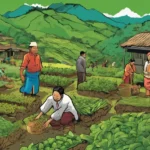
Ranikhet, with its untouched landscapes and traditional lifestyle, is emblematic of many small towns across India where global brands have yet to penetrate—not due to a lack of resources but because the community chooses not to embrace them. Here, food is not just a meal but a connection to culture and identity. Eating at local dhabas or homes is a way of preserving a culinary heritage that is incompatible with the homogenized menu of a multinational chain.
Tribal Resistance to Globalization
The resistance to globalization is even more pronounced among India’s tribal communities. For these groups, globalization is often seen as a threat to their way of life, rooted in harmony with nature and ancestral traditions.
- Preserving Identity: Tribals in Odisha and Jharkhand, for instance, have resisted large-scale industrial projects that promise modern amenities but threaten to displace their homes and sacred lands. The Dongria Kondh tribe’s fight against a multinational mining corporation in the Niyamgiri Hills of Odisha is a striking example. For the Dongria Kondh, the hills are not just resources but sacred, integral to their spiritual beliefs.
- Cultural Practices at Risk: Globalization’s push for assimilation often conflicts with tribal customs. The introduction of mainstream education, for example, has sparked concerns among tribes like the Santhals, who fear the erosion of their traditional knowledge and oral histories.
The Dual Face of Globalization
Globalization offers undeniable benefits, such as economic growth and access to technology, but it also raises questions about cultural homogenization:
- Adaptation Without Erosion: In cities like Bengaluru or Delhi, globalization is often embraced, with global brands coexisting alongside local traditions. However, in smaller towns and tribal areas, the fear of losing cultural distinctiveness leads to resistance.
- Economic Disparities: The arrival of multinational corporations often creates economic divides. While urban areas flourish with shopping malls and luxury brands, rural and tribal regions are left grappling with the implications of this uneven growth.
Voices of Resistance and Adaptation
Not all resistance to globalization is about outright rejection. Some communities are finding ways to adapt while preserving their identities:
- Eco-Tourism in Uttarakhand: Instead of malls, places like Ranikhet and Almora are investing in eco-tourism, offering visitors an authentic experience of local culture and nature. This model sustains livelihoods without compromising traditional values.
- Tribal Entrepreneurship: In Jharkhand, initiatives like the Jharkhand Silk Textile and Handicraft Development Corporation promote tribal crafts on global platforms, allowing tribes to benefit economically while preserving their art forms.
Striking a Balance
Experts suggest that the key lies in striking a balance between embracing beneficial aspects of globalization and safeguarding local beliefs:
- Community-Led Development: Development projects must involve local communities in decision-making, ensuring that their values and needs are prioritized.
- Cultural Education: Educating both locals and outsiders about the importance of preserving cultural heritage can foster mutual respect.
- Sustainable Tourism: Promoting tourism models that highlight local traditions rather than global luxuries can bridge the gap between modernization and preservation.
Conclusion: A Delicate Choice
The impact of globalization on local beliefs is not a simple story of acceptance or resistance—it is a nuanced negotiation of identity, economics, and values. Places like Ranikhet and tribal regions of India remind us that progress does not have to come at the expense of culture.
As India continues to integrate with the global economy, the challenge is to ensure that modernization enriches rather than erases the country’s rich diversity. The quiet hills of Ranikhet and the resilient tribals of Odisha stand as testaments to the enduring power of identity in an ever-changing world.