New Delhi, February 2026 — The Supreme Court of India has issued a stern warning against the escalating “freebie culture,” describing the current trend of pre-election giveaways as a ticking time bomb for the national economy. While political parties view these promises as “welfare,” the judiciary and economists increasingly see them as an unsustainable debt trap that threatens the fiscal health of the country.
The Trigger: Tamil Nadu and the Electricity Crisis
The latest legal scrutiny was triggered by the Tamil Nadu government’s 2026 proposal for free electricity, announced just as the state’s power distribution companies (discoms) were struggling to manage existing debts. The Supreme Court called this “irresponsible fiscal planning,” highlighting that state debt levels have reached a point where they are no longer sustainable for future generations.
Welfare vs. Irrational Freebies
To understand the crisis, the debate differentiates between three types of state spending:
- Core Welfare: Essential investments in public schools, health clinics, and the ration system. These are considered a state’s duty, not charity.
- Merit Subsidies: Targeted tools like student laptops or specific farming equipment that directly boost productivity.
- Irrational Freebies: Universal free power, unconditional cash transfers, and consumer goods distributed to everyone regardless of income.
The Court’s concern lies in the third category—”irrational freebies”—which are often used as a direct “cost of a vote” rather than a tool for economic upliftment.
The Power Sector’s Death Spiral
The most visible damage of this culture is seen in the power sector. Across seven major states, approximately 15 to 20 crore consumers receive free or highly subsidized electricity, costing the exchequer over ₹50,000 crore annually. This leads to a dangerous chain reaction:
- Discoms face massive cash shortages.
- Power Producers go unpaid, leading to bank defaults.
- Future Growth is sacrificed as states borrow more just to pay interest on old loans, leaving zero funds for building new infrastructure or creating jobs.
Competitive Populism: A 5-Year Vision for a 50-Year Problem
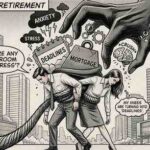
What experts call “Competitive Populism” has turned elections into a bidding war. If one party offers free water, the opponent offers free water plus monthly cash. This “Bad Economics” is fueled by political parties that refuse to look beyond their 5-year term. They borrow heavily to fulfill promises today, leaving the youth and future generations to pay back the debt with interest. States like Punjab and Tamil Nadu are already seeing their health and education indices slip as majority of their revenue now goes into paying interest and subsidies.
The Solution: Moving to Conditional Support
The Economic Survey has suggested a shift toward the “Brazilian Model”—Conditional Cash Transfers. In this system, families receive financial support only if they fulfill specific social goals, such as:
- Mandatory school attendance for children.
- Regular health checkups and immunizations.
- Pre-natal and post-natal care for mothers.
By making freebies “conditional,” the state ensures that the money spent today actually builds “Human Capital” for tomorrow, rather than just buying a temporary vote.
Bottom Line
The era of unconditional giveaways is pushing Indian states toward a fiscal cliff. As the Supreme Court demands accountability, the message is clear: a “free” service today is a heavy tax on your children tomorrow. True welfare isn’t about giving things away for free; it’s about building an economy where citizens don’t need freebies to survive.