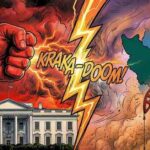
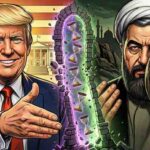
Tehran/Washington, March 2026 — The diplomatic corridors of the Middle East are buzzing with a list of sweeping conditions from Iran in response to President Donald Trump’s latest ceasefire proposal. What supporters in Tehran call a “restoration of regional sovereignty,” Washington has already labeled a non-starter.
Following the late February strike that killed Supreme Leader Ali Khamenei, the Islamic Revolutionary Guard Corps (IRGC) has effectively seized the steering wheel of Iranian foreign policy. Their list of demands suggests they aren’t just looking for a pause in fighting—they are looking to rewrite the rules of the Gulf.
Evicting the U.S. Military Footprint
The most explosive demand is Iran’s insistence on the total closure of all U.S. military bases in the Gulf region. From the naval hub in Bahrain to the strategic outposts in the UAE, Iran wants the American “shield” removed entirely. To add a financial sting, Tehran is also demanding war reparations for damages sustained during the recent months of high-intensity conflict.
Tolling the Strait of Hormuz
In a move that could send global oil prices into a tailspin, Iran is reportedly seeking a new legal order for the Strait of Hormuz. They are demanding the right to collect transit fees from international vessels passing through the 33 km-wide narrow.
Given that a massive percentage of the world’s daily oil supply moves through this single chokepoint, granting this demand would hand the IRGC a permanent “tax” on the global economy and a “kill switch” for international energy flows.
The “No-Negotiation” Clause on Missiles
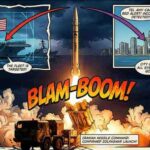
While Trump’s 15-point plan focuses on dismantling Iran’s nuclear and ballistic capabilities, Tehran’s response is a firm “no.” The IRGC reportedly insists on retaining its entire missile program without any caps, restrictions, or international oversight.
For the IRGC, these missiles are the only reason they haven’t been invaded; for the U.S. and Israel, they are the primary source of regional instability. This remains the ultimate sticking point that could collapse the talks before they formally begin.
Proxies and Sanctions: The Price of Peace
Tehran is not just looking out for its own borders. Their conditions include:
- Protection for the “Axis of Resistance”: Demanding an end to Israeli strikes on groups like Hezbollah.
- Total Sanctions Relief: A complete lifting of the economic “maximum pressure” to allow the IRGC-led government to stabilize.
- Security Guarantees: Concrete promises that the war will not restart once the U.S. leaves.
Bottom Line
The era of “quiet diplomacy” is over. Iran’s demands represent a total exit of Western influence from West Asia. While intermediaries like Pakistan try to bridge the gap, the Trump administration has already called the proposal “ridiculous”. Without a major concession from the IRGC or a shift in Washington’s red lines, the “ceasefire” remains a 400-word illusion.