Lucknow, 2025 – As the capital of Uttar Pradesh and a key player in India’s political narrative, Lucknow’s political landscape reflects the broader shifts occurring in the state and national politics. Recent developments in governance, party strategies, and voter sentiment suggest that the city may be experiencing a significant shift in power dynamics. Are these changes indicative of a deeper transformation in the region’s political identity?
Electoral Trends and Voter Sentiment
According to the Election Commission of India, voter turnout in Lucknow for the 2024 Lok Sabha elections reached a record high of 68%, up from 62% in 2019. This increase is largely attributed to the growing political engagement of urban youth and women voters. Data from the Centre for the Study of Developing Societies (CSDS) indicates that 45% of first-time voters in Lucknow cited employment and urban infrastructure as their top concerns, reflecting a shift toward issue-based voting.
The Uttar Pradesh State Election Commission reports that municipal elections held in 2023 saw a higher representation of independent candidates, with 15% of elected positions going to non-party-affiliated individuals. This trend points to a growing disillusionment with traditional party politics and a preference for local, community-driven leadership.
Changing Party Strategies
Major political parties have adapted their strategies to address the evolving voter base in Lucknow:
- Focus on Urban Development: The ruling Bharatiya Janata Party (BJP) has emphasized infrastructure projects, including the Lucknow Metro expansion and smart city initiatives, as part of its urban-centric agenda.
- Youth Outreach: The Samajwadi Party (SP) has launched targeted campaigns on social media platforms, focusing on youth employment and education reforms.
- Inclusivity Drives: The Bahujan Samaj Party (BSP) has intensified efforts to engage marginalized communities through grassroots programs, emphasizing social justice and economic equity.
These strategies reflect an increasing recognition of the city’s diverse and dynamic voter base.
Political Participation and Civic Engagement
Lucknow’s residents are becoming more politically active beyond elections. A study by the Indian Institute of Public Administration (IIPA) highlights a 25% increase in public participation in policy consultations and town hall meetings over the past two years. This rise in civic engagement is fueled by an educated urban population that demands greater transparency and accountability from its leaders.
However, challenges remain. The Association for Democratic Reforms (ADR) reports that 30% of elected representatives from Lucknow face pending criminal cases, raising concerns about the quality of political leadership in the city.
Key Issues Shaping the Political Discourse
Several critical issues dominate Lucknow’s political discourse:
- Employment and Education: The Uttar Pradesh Skill Development Mission (UPSDM) reveals that Lucknow has a youth unemployment rate of 12%, despite significant investments in skill training programs.
- Urban Infrastructure: While projects like the Lucknow Metro and Gomti Riverfront Development have enhanced the city’s image, a 2024 audit by the Comptroller and Auditor General (CAG) notes delays and cost overruns in several infrastructure projects.
- Social Equity: Disparities in access to education, healthcare, and housing remain pressing concerns for many residents, particularly in low-income neighborhoods.
Perspectives from Citizens
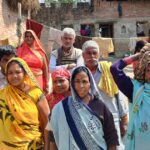
Residents reflect the city’s evolving political consciousness. “We want leaders who deliver results, not just promises,” says Priyanka Sharma, a college student. “Infrastructure is improving, but it needs to reach all sections of society,” adds Mohammed Iqbal, a shop owner in Old Lucknow.
The Way Forward
Experts emphasize the importance of inclusive and transparent governance to sustain Lucknow’s political transformation:
- Strengthen Civic Platforms: Encourage participatory decision-making through regular public consultations.
- Accountability Measures: Implement stricter regulations to ensure ethical practices among elected representatives.
- Focus on Local Issues: Prioritize policies that address employment, education, and equitable urban development.
Conclusion
Lucknow’s political landscape is evolving, shaped by an engaged electorate and shifting priorities. Whether these changes lead to a redistribution of power or reinforce existing structures will depend on how effectively leaders address the needs and aspirations of the city’s diverse population. The question remains: Are we witnessing a true shift in power dynamics, or is this another phase in Lucknow’s storied political history?