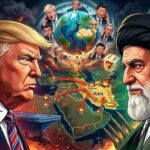
New Delhi, April 2026 — Pakistan’s ambitious attempt to position itself as a global peacemaker has been met with a cold dismissal. Despite Islamabad’s high-decibel claims of mediating between Washington and Tehran, Iran has officially rejected the narrative, leaving Pakistan’s diplomatic credibility in question while U.S. military forces move into position.
The Self-Proclaimed Mediator
For weeks, Pakistan had been signaling a major diplomatic breakthrough, claiming to facilitate a dialogue between the U.S. and Iran. Government channels in Islamabad suggested they were ready to host talks, portraying the nation as a vital bridge in the Middle East conflict.
The move was seen by analysts as an attempt by Pakistan to gain “geopolitical relevance” amidst its own domestic economic turmoil and security challenges with Afghanistan. By becoming a neutral third party, Pakistan hoped to transition from being viewed as a “security-dependent state” to a significant diplomatic player on the world stage.
Iran’s Categorical Rejection
The “mediation” bubble burst when Tehran publicly denied any such involvement. Iranian officials clarified that they had not participated in any meetings hosted by Pakistan, stating bluntly that “Pakistan’s forums are their own.”
This rejection highlights a fundamental rule of international relations: mediation requires the formal consent of both parties. By acting without a mandate from Tehran, Pakistan’s efforts have been characterized as “self-proclaimed” and “imaginary,” resulting in a total breakdown of the peace narrative.
U.S. Military: From Air Strikes to Ground Reality?
As the diplomatic track fails, the military situation is escalating. The U.S. has deployed the 82nd Airborne Division—its most elite rapid-response force—to the Middle East. Unlike heavy artillery units, these paratroopers are “light and lethal,” capable of deploying anywhere in the world within 18 to 24 hours.
This deployment signals a potential shift in U.S. strategy. Having already established air superiority through sustained strikes on Iranian military and nuclear sites, the arrival of ground-insertion forces suggests the U.S. may be preparing for targeted operations.
Targeting the Iranian Lifeline: Kharg Island
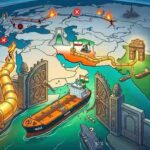
The strategic focus has now shifted toward Kharg Island, a tiny but vital outcrop in the Persian Gulf. Kharg Island is the processing hub for 90% of Iran’s oil exports.
- The Economic Blow: If the U.S. seizes this island, Iran’s revenue stream would effectively collapse.
- Nuclear Containment: There are further reports that U.S. ground operations could target Iran’s enriched uranium stockpiles to prevent the completion of a nuclear weapon.
Bottom Line
Pakistan’s attempt to play the “mediation card” was a gamble for relevance that failed to secure a buy-in from the very parties it sought to lead. With Tehran’s rejection and the arrival of elite U.S. paratroopers, the region has moved past the stage of “imaginary diplomacy.” The focus is no longer on who will talk, but on whether the conflict will escalate from the air to a full-scale ground invasion.