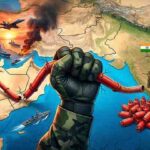
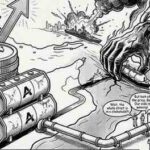
NEW DELHI, March 2026 — India has shifted into a high-alert “emergency mode” as the conflict in West Asia begins to paralyze global energy supply chains. With the Strait of Hormuz facing unprecedented disruptions, the Indian government has moved to protect its 322 million LPG consumers from a total fuel shutdown.
The Domestic Energy Lockdown
The Ministry of Petroleum has issued a series of sweeping directives to ensure Indian kitchens do not go cold. All domestic oil refineries have been ordered to maximize LPG production, diverting the entire national supply of propane and butane specifically toward cooking gas.
To prevent a total market collapse, the government has mandated that LPG distribution be funneled exclusively through state-run retailers—Indian Oil, HPCL, and BPCL—restricting all sales to domestic household use only. The stakes are high: India is the world’s second-largest LPG importer, and nearly 90% of its supply is sourced directly from the now-volatile West Asian region.
Rationing and the Rise of the Black Market
Panic has already begun to set in across several states. To combat hoarding, the mandatory gap between cylinder refills has been extended from 21 to 25 days. Despite these efforts, artificial shortages have been reported in Uttar Pradesh and Telangana, with long queues forming outside gas agencies.
The financial impact on citizens is mounting:
- Official Hikes: Domestic prices have risen by ₹60 since March 7, bringing a non-subsidized cylinder in Delhi to ₹913.
- Shadow Economy: Reports indicate that black market prices have touched a staggering ₹1,500 per cylinder.
Strategic Pivots and Military Diplomacy
In a bid to reduce its dangerous level of dependence on the Gulf, India has secured a contract to import 2.2 million tons of LPG from the U.S. Gulf Coast. However, the crisis isn’t just economic; it has brought the war to India’s doorstep.
In a complex geopolitical maneuver, India is currently sheltering an Iranian warship, the IRI Lavan, at Kochi Harbor. While External Affairs Minister S. Jaishankar described the move as a “humanitarian gesture” for ships caught on the wrong side of the conflict, the tension is palpable. On the same day the Lavan docked, a U.S. submarine sank another Iranian vessel, the IRI Dana, off the coast of Sri Lanka—marking the first submarine sinking of an enemy ship since World War II.
A Southeast Asian Defense Milestone
While energy remains a vulnerability, India has solidified its role as a regional defense powerhouse. Indonesia has officially signed a deal worth up to $450 million to procure India’s BrahMos supersonic missiles. Jakarta follows the Philippines as the second international buyer of the system, which is notoriously difficult for conventional air defenses to intercept.
Bottom Line
The conflict in West Asia has evolved from a distant regional skirmish into a direct threat to the Indian household. From ₹1,500 cylinders to foreign warships in Kochi, the “ripple effects” are now a daily reality. India’s immediate future depends on its ability to diversify its energy sources while navigating the explosive military realities of the Indian Ocean.