ISLAMABAD, March 2026 — The escalating conflict in West Asia has triggered an energy panic in Pakistan, forcing the government to consider radical measures to protect its fragile economy from a catastrophic fuel shortage. With tensions threatening the Strait of Hormuz—the vital maritime artery for 20% of global oil—Islamabad is reportedly rushing an emergency proposal to the Economic Coordination Committee (ECC) to stave off a total energy blackout.
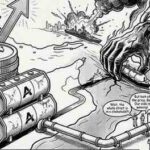
The Choke Point Crisis Pakistan relies heavily on the Strait of Hormuz for its energy lifeblood. As conflict intensifies, the mere fear of a blockade has sent oil markets into turmoil. Brent crude has surged to over $81.40 a barrel, reaching its highest level since early 2025. For a nation already struggling with economic stress, this price spike is alarming, but it is only the tip of the iceberg regarding the logistical nightmare unfolding in the region.
The Brutal Math of Logistics The financial burden on Pakistan is compounded by explosive shipping costs. Before the crisis, insurance for an oil tanker cost approximately $30,000 per shipment; that figure has now skyrocketed to nearly $400,000. Freight expenses are similarly suffocating: chartering a vessel that once cost $900,000 now commands over $4 million. In a desperate bid for security, Islamabad has requested Saudi Arabia to reroute future oil shipments through the Red Sea, bypassing the volatile Iranian coast entirely.
Drastic Measures to Keep the Lights On To preserve fuel reserves, the government is weighing a radical “emergency toolkit”:
- Mandatory Work-from-Home: Public and private sector employees may soon be required to work remotely to slash national fuel consumption by reducing daily commutes.
- Frequent Price Hikes: The administration plans to shift from fortnightly to weekly petrol price revisions to pass rising costs to consumers more quickly and maintain supplier solvency.
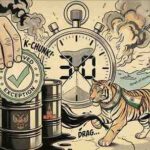
The Threat of “Force Majeure” While Pakistan currently holds a reserve of roughly 500,000 tons of petrol and diesel—a 25-to-26-day cushion—the long-term outlook remains grim. Energy officials warn that if the government fails to compensate oil companies for these ballooning import premiums, suppliers may declare force majeure, effectively suspending all fuel deliveries. Such a move would halt industrial activity and leave the country in darkness.
Bottom Line For Islamabad, the Iran war is no longer a distant diplomatic flashpoint; it is an existential threat to its energy security. As the clock ticks on fuel reserves, the nation’s economic stability hinges on whether it can successfully navigate the “brutal math” of a war-torn oil market before the country runs dry.