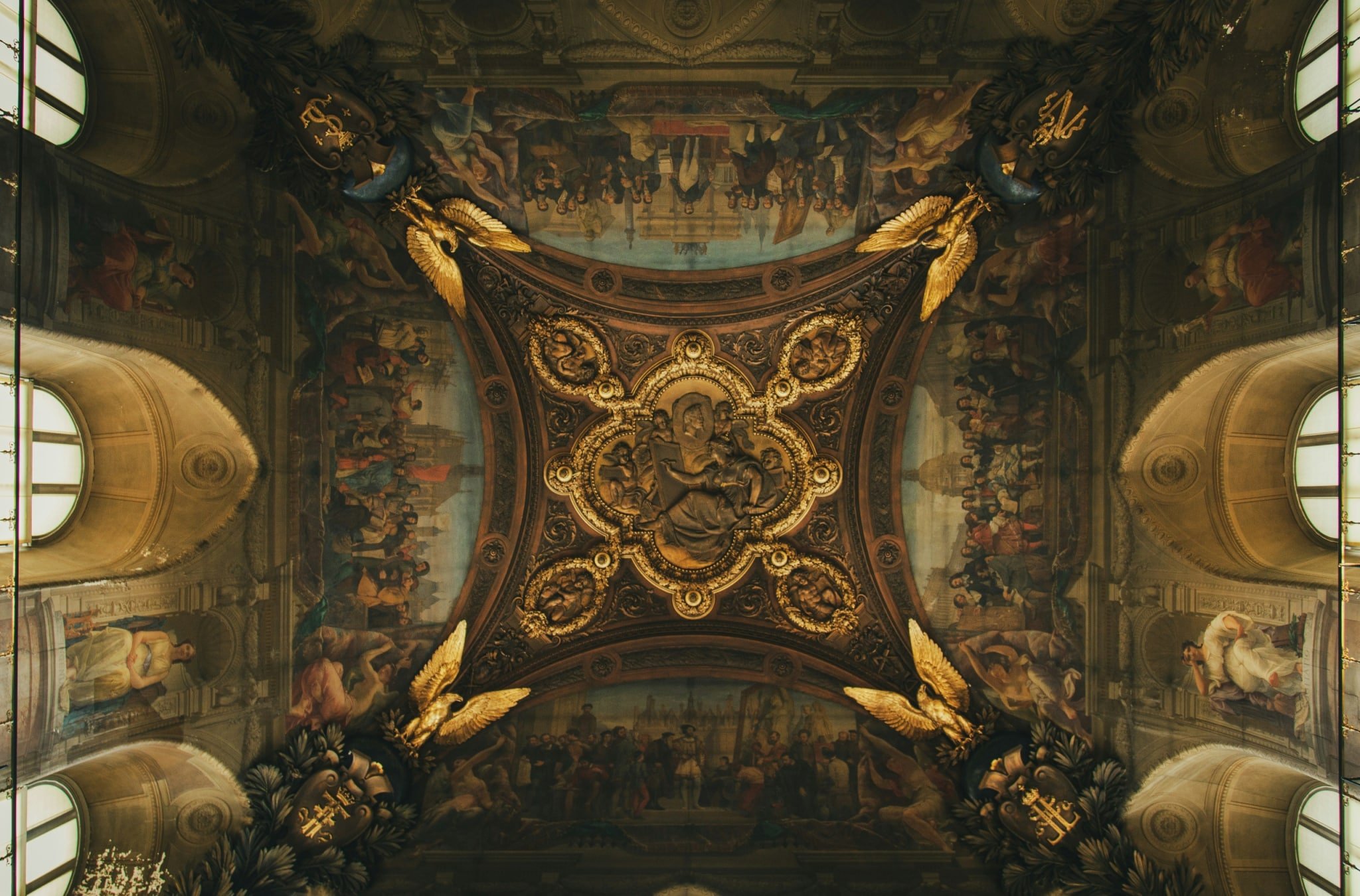
New Delhi, 2025 — In the fast-paced modern world, India’s rich cultural heritage stands as a testament to its diverse history and vibrant traditions. Yet, a pressing question arises: Are we truly celebrating this heritage as an integral part of our identity, or is it being overshadowed by the demands of modernization and globalization? Recent initiatives and observations reveal a complex relationship between cultural preservation and contemporary priorities.
The Essence of India’s Cultural Heritage
India’s heritage encompasses a myriad of elements — from ancient temples and traditional art forms to languages, cuisine, and festivals. This diversity, shaped over millennia, is not merely a reflection of the past but a vital component of national identity. UNESCO recognizes 40 World Heritage Sites in India, underscoring the country’s global significance in cultural conservation. However, their preservation and celebration often seem at odds with rapid urbanization and societal shifts.
Efforts to Preserve and Celebrate Heritage
- Government Initiatives Programs like ‘Adopt a Heritage’ and ‘Swadesh Darshan’ aim to promote and protect heritage sites while encouraging tourism. The Ministry of Culture reports a 25% increase in footfall to heritage sites in 2024, attributed to improved facilities and community engagement.
- Festivals and Traditional Practices National and regional festivals continue to serve as platforms for celebrating cultural identity. Events like ‘Kala Utsav’ and ‘Rashtriya Sanskriti Mahotsav’ showcase traditional art, dance, and music, fostering a connection between communities and their roots.
- Education and Awareness The inclusion of heritage education in school curriculums is a step toward instilling pride and awareness among younger generations. The ‘Heritage Walks’ initiative, conducted in major cities, connects urban populations with their historical landmarks.
Challenges in Celebrating Heritage
- Urbanization and Neglect Many heritage sites, especially in smaller towns and rural areas, face neglect due to urban expansion and lack of funding. Reports from the Archaeological Survey of India (ASI) indicate that over 20% of protected monuments require urgent restoration.
- Commercialization While tourism helps promote heritage, excessive commercialization risks commodifying cultural practices, stripping them of their authenticity and deeper meaning.
- Globalization’s Influence The influx of global culture often sidelines local traditions, particularly among younger generations. The preference for global trends over indigenous art and customs reflects a growing disconnect.
The Role of Individuals in Heritage Celebration
Beyond government efforts, the responsibility to preserve and celebrate heritage lies with every citizen. Supporting traditional crafts, participating in local festivals, and educating oneself about historical landmarks are small but impactful ways to keep cultural identity alive.
A Balanced Path Forward
- Community-Driven Preservation Empowering local communities to manage and benefit from heritage sites can foster a deeper connection and sustainable conservation efforts.
- Leveraging Technology Digital initiatives like virtual museum tours and AI-driven heritage mapping can make cultural preservation accessible and appealing to tech-savvy generations.
- Inclusive Narratives Ensuring that all communities, particularly marginalized groups, have their traditions and contributions celebrated is essential for creating a cohesive national identity.
Conclusion
India’s cultural heritage is not merely a relic of the past but a living, evolving part of its identity. Celebrating this heritage requires a concerted effort from governments, communities, and individuals to balance modern aspirations with historical roots. As India strides forward on the global stage, embracing its heritage as part of its identity will not only preserve its rich traditions but also strengthen its sense of unity and pride, ensuring that its legacy endures for generations to come.