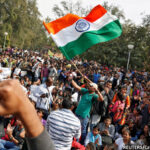
Gaurav Gogoi has demanded accountability regarding the police’s actions against student protesters, questioning who authorized the use of force. The incident has ignited widespread debate about student rights and law enforcement procedures in India.
New Delhi, July 2026 — A recent parliamentary session saw Gaurav Gogoi, a prominent opposition leader, challenge the government regarding police actions taken against student demonstrators. Gogoi’s inquiry into the events surrounding the protests has raised significant questions about the limits of law enforcement and the treatment of students advocating for their rights.
What Changed?
The police’s aggressive response to student protests has drawn scrutiny and criticism from various political factions and civil rights organizations. Historically, student protests in India have played a pivotal role in shaping public policy and influencing government actions. This latest incident marks a potential turning point, as it may lead to increased scrutiny of police protocols in handling peaceful demonstrations.
Why Does This Matter for Indian Markets?
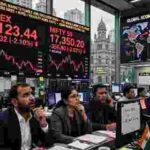
The relationship between government policies and public dissent can significantly impact market confidence. Investors often view civil unrest as a sign of political instability, potentially affecting foreign investment and economic growth. Policymakers must balance public order with the right to protest to maintain a stable economic environment.
Who Is Affected?
Students, educators, and civil rights advocates are the primary stakeholders in this ongoing discourse. The student community, which has historically been at the forefront of social movements in India, could face increased risks if government responses to protests become more aggressive. Additionally, educational institutions may find themselves under pressure to navigate the complex relationship between student activism and administrative policies.
- The incident has prompted calls for an independent inquiry into police conduct.
- Over 500 students participated in the protests, voicing concerns over educational reforms.
- Historical precedents show that student movements have led to significant legislative changes in India.
- Government sources claim that police acted in response to violent behavior from a minority of protesters.
- Previous incidents of police violence against demonstrators have resulted in widespread civil disobedience.
Experts suggest that the current situation necessitates a reevaluation of how law enforcement engages with civilians, particularly students. Advocates for student rights are urging the government to implement clearer guidelines to prevent excessive use of force during protests. Additionally, the intersection of educational policy and civil liberties will likely be a focal point for legislative discussions in the coming months.
Road Ahead
Looking ahead, stakeholders should monitor developments in the parliamentary debate concerning police actions and student rights. The government may introduce new policies aimed at regulating law enforcement’s response to protests. Furthermore, public sentiment regarding these issues could influence upcoming elections, making it critical for political leaders to address student concerns proactively.