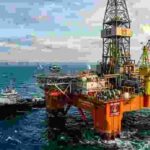
Dubai, May 2026 — A devastating missile and drone strike on Fujairah has shattered the illusion of security in the United Arab Emirates. While the UAE has spent years positioning itself as a neutral, business-friendly sanctuary amidst Middle Eastern volatility, Iran’s latest assault on a critical oil hub proves that no “bypass” is beyond the reach of modern warfare.
The Strategic Target: Bypassing the “Choke Point” Fujairah is not just another port; it is the UAE’s primary insurance policy against Iranian aggression. Located on the eastern coast, it allows the UAE to export crude oil directly into the Gulf of Oman, completely bypassing the Strait of Hormuz—the narrow “choke point” that Iran frequently threatens to block.
By targeting the Habshan–Fujairah pipeline terminus and oil storage depots, Iran has sent a clear message: the strategic “exit door” is now a target. If Iran’s own shipping is restricted by U.S. presence in the Strait, they appear determined to ensure no other nation enjoys a frictionless alternative.
Indian Diaspora in the Crossfire The human cost of this geopolitical chess match has hit home for New Delhi. Three Indian nationals were injured in the blasts, a grim reminder of the vulnerability of the 3.5 million-strong Indian diaspora in the UAE.
From the high-rises of Dubai to the industrial zones of Fujairah, Indians form the backbone of the UAE’s energy and infrastructure sectors. When missiles fly, it is often Indian blue-collar workers on the front lines of the impact. The Indian Embassy has moved into high-alert monitoring, as the safety of the largest expat community in the region hangs in the balance.
The Economic Aftershock: Oil at $115 The markets reacted with predictable panic. Crude oil prices, which had begun to stabilize near $100 per barrel following recent ceasefire talks, surged to $115 overnight.
- The Volatility: Every drone strike adds a “risk premium” to global oil.
- The India Impact: For a country that imports over 80% of its oil, this surge threatens to trigger a domestic hike in petrol and diesel prices, potentially ending the period of price stability seen during recent election cycles.
The Collapse of the “Peace Illusion” The timing of the attack is particularly stinging for the UAE. Recently, the Emirates launched aggressive campaigns to lure investors and tourists, offering two-year property investment discounts and significantly relaxed visa norms.
This “business as usual” facade has been stripped away. Iran’s strategy appears twofold: punish countries aligning with U.S. interests and force the Gulf States to pressure Washington for a total war exit. By hitting Fujairah, Iran isn’t just destroying oil tanks; it is destroying the marketing pitch of the UAE as the “safest place in the Middle East.”
Bottom Line The strike on Fujairah marks a shift from shadow boxing to direct hits. As the U.S. retaliates against Iranian boats and oil prices climb, the region faces a sobering reality: the “bypass” has been compromised, the ceasefire is a memory, and the cost of energy is once again being written in fire and debris.