The High Stakes of Electoral Choices
In Uttar Pradesh (UP), electoral decisions resonate far beyond the state’s borders, influencing national politics and shaping the lives of its 200 million residents. Each election brings a flurry of promises and ideological clashes, but the real question remains: Who benefits the most from these outcomes? Are voters truly the winners, or do political actors reap the rewards while systemic issues persist?
Key Metrics
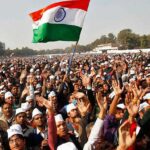
- Election Turnout: 60.17% voter turnout in the 2022 assembly elections, reflecting moderate public engagement (Election Commission of India, 2022).
- Policy Implementation: Only 58% of major electoral promises from the 2017 BJP manifesto were fully or partially implemented (UP Governance Review, 2022).
- Development Indicators:
- Literacy Rate: 67.68%, below the national average of 74.04% (Census 2011).
- Per Capita Income: ₹70,000 annually, significantly lower than the national average of ₹1,35,000 (UP Economic Survey, 2023).
Winners and Losers: Breaking Down the Impact
1. Political Parties: Strategic Gains
- Winners: Political parties often emerge as the primary beneficiaries of electoral victories, gaining access to administrative power and resources.
- Example: The BJP leveraged its 2022 victory to launch high-profile infrastructure projects like the Ganga Expressway and metro rail expansions, enhancing its national profile.
- Losers: Smaller parties, like the Bahujan Samaj Party (BSP) and Congress, struggle to maintain relevance, further reducing political diversity in the state.
2. Marginalized Communities
- Winners: Dalits and OBCs have gained increased representation in government through targeted welfare schemes and affirmative action policies.
- Example: Programs like Mission Shakti for women’s empowerment and reservations for OBCs in educational institutions.
- Losers: Muslims, constituting 19% of the population, remain underrepresented in leadership roles and often face policy neglect in the wake of polarization strategies.
3. Urban vs. Rural Populations
- Winners: Urban centers like Lucknow and Noida enjoy better infrastructure, connectivity, and investment, reflecting the benefits of centralized development policies.
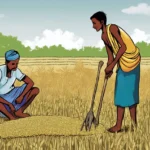
- Losers: Rural regions, particularly Bundelkhand and Purvanchal, continue to lag in education, healthcare, and employment opportunities, perpetuating regional disparities.
4. Women and Youth
- Winners: Women have gained visibility through programs like Kanya Sumangala Yojana and the rise of female leaders like Baby Rani Maurya.
- Losers: Youth unemployment remains high, with skill development programs falling short of providing meaningful employment for the state’s growing workforce.
Key Electoral Decisions and Their Outcomes
1. Focus on Hindutva
- Impact: The BJP’s Hindutva-centric policies have consolidated Hindu votes but alienated minority communities, exacerbating social divides.
- Example: The construction of the Ram Mandir in Ayodhya has been a significant electoral and cultural milestone, yet it has overshadowed pressing socio-economic issues.
2. Caste-Based Politics
- Impact: While caste dynamics ensure representation for marginalized groups, they often divert attention from broader developmental challenges.
- Example: SP’s focus on Yadavs and Muslims ensures loyalty from these groups but limits its appeal to a wider electorate.
3. Infrastructure Development
- Impact: High-profile infrastructure projects boost urban economies but leave rural areas struggling to catch up.
- Example: The Purvanchal Expressway has improved connectivity but hasn’t yet translated into significant economic gains for the region.
Steps Toward Equitable Gains
- Balanced Regional Development
Allocate resources more equitably across regions to bridge urban-rural divides and ensure that underdeveloped areas receive the attention they deserve. - Focus on Long-Term Policies
Shift electoral promises from short-term populist measures to sustainable initiatives in education, healthcare, and employment. - Strengthen Minority Representation
Encourage proportional representation of marginalized communities, particularly Muslims and Dalits, in decision-making roles. - Accountability in Governance
Implement robust mechanisms to track and report on the progress of electoral promises, ensuring greater transparency and accountability.
Conclusion: The Real Beneficiaries
Uttar Pradesh’s electoral decisions carry immense weight, shaping not only the state’s future but also the trajectory of Indian politics. While political parties and urban centers often emerge as the primary winners, significant gaps in inclusivity and equity persist.
For elections to truly reflect the will and welfare of the people, UP’s political system must prioritize long-term progress over short-term gains, ensuring that no community or region is left behind. Only then can the state’s democratic choices deliver on their promises of empowerment and progress.