Ensuring access to safe water as a cornerstone of public health and development.
Introduction
Uttar Pradesh, India’s most populous state, is addressing one of its most pressing challenges: ensuring clean drinking water for all. With a rapidly growing population and increasing industrialization, the state has recognized the importance of sustainable water management and access. Through a blend of government programs, infrastructural investments, and community engagement, Uttar Pradesh is taking decisive steps to secure this vital resource for its citizens.
Key Initiatives to Ensure Clean Drinking Water
1. Jal Jeevan Mission (JJM): Universal Access to Tap Water
Launched in collaboration with the central government, the Jal Jeevan Mission (JJM) aims to provide Functional Household Tap Connections (FHTCs) to every rural household by 2024. Uttar Pradesh has embraced this mission with vigor, significantly expanding its rural water supply coverage.
- Progress Highlights:
- Over 2.5 crore households connected to piped water supply since the mission’s inception.
- Special focus on water-scarce regions like Bundelkhand and Vindhya.
- Inclusion of women in village-level water committees to ensure gender-sensitive water management.
(Source: Jal Jeevan Mission, Ministry of Jal Shakti)
2. Har Ghar Nal Yojana: Targeting Bundelkhand and Vindhya
To address acute water scarcity in arid regions, the state has implemented the Har Ghar Nal Yojana under the larger JJM framework.
- Key Features:
- Investment of ₹5,555 crore to supply piped water in drought-prone areas.
- Targeting more than 41 lakh households in 4,120 villages.
- Use of solar-powered pumps to ensure sustainability in remote locations.
(Source: Government of Uttar Pradesh)
3. State Water and Sanitation Mission (SWSM): Integrated Water Management
The SWSM aims to integrate efforts toward clean water and improved sanitation. By focusing on sustainable water resource management, the mission ensures equitable access to drinking water.
- Objectives:
- Promote rainwater harvesting and groundwater recharge.
- Conduct regular water quality testing and audits.
- Strengthen local governance for community-driven water solutions.
(Source: SWSM Uttar Pradesh)
4. Tackling Contaminated Water: Arsenic and Fluoride Mitigation
Several districts in Uttar Pradesh are plagued by arsenic and fluoride contamination in groundwater, posing severe health risks.
- Focused Action Plans:
- Installation of over 13,000 Arsenic and Fluoride Removal Plants (AFRPs) in affected areas.
- Awareness campaigns to educate residents about water contamination.
- Regular monitoring and remedial measures in high-risk zones like Ballia, Barabanki, and Unnao.
(Source: Central Ground Water Board)
Infrastructure and Technology: Enhancing Water Accessibility
1. Solar-Powered Drinking Water Systems
To cater to remote and off-grid areas, Uttar Pradesh is deploying solar-powered drinking water schemes.
- Impact:
- Reliable water supply in over 1,500 villages.
- Cost-effective and sustainable alternative to traditional electricity-dependent systems.
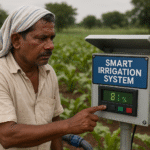
2. Smart Water Management Tools
- Digital Water Monitoring Systems:
- Real-time monitoring of water levels and quality through IoT-enabled sensors.
- Integration of data with local governance systems for swift action.
Community Engagement and Education
1. Jal Shakti Abhiyan
This state-level initiative mobilizes local communities to actively participate in water conservation and management.
- Key Components:
- Promotion of rainwater harvesting in urban and rural areas.
- Workshops and training sessions to educate citizens on water conservation practices.
2. Women’s Role in Water Management
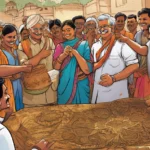
Under various schemes, women are empowered to take leadership roles in water committees, ensuring inclusive and effective decision-making.
Challenges and Future Outlook
Challenges:
- Groundwater Depletion: Excessive reliance on groundwater poses a long-term sustainability threat.
- Urban-Rural Disparities: Ensuring equitable water distribution across diverse geographies remains a logistical challenge.
- Water Quality Issues: Tackling chemical and biological contamination demands consistent monitoring and innovation.
Future Directions:
- Scaling up solar-based water supply systems for energy-efficient solutions.
- Strengthening partnerships with global organizations for knowledge exchange and funding.
- Expanding rainwater harvesting and wastewater recycling projects to urban areas.
Conclusion
Uttar Pradesh’s commitment to clean drinking water reflects its recognition of water as a fundamental human right. Through progressive policies, robust infrastructure, and active community participation, the state is making strides toward ensuring that every household has access to safe and sustainable drinking water. As these efforts continue, Uttar Pradesh is poised to serve as a model for integrated and inclusive water management in India.